Ultimate Spaghetti & Meat Sauce: Master the Clingy Secret
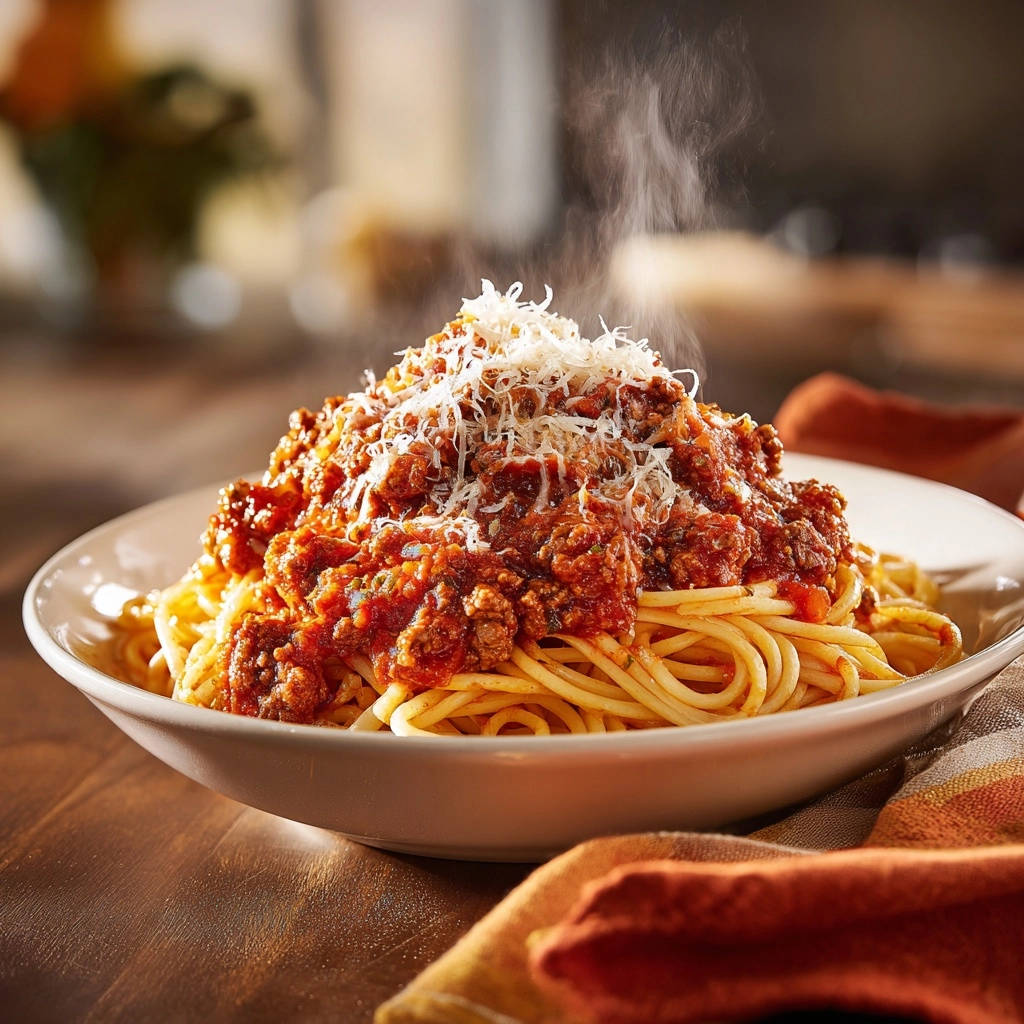
There’s nothing more disheartening than a beautifully made pasta dish where the rich sauce simply slides off the noodles. For years, I struggled with this common culinary conundrum, until I discovered the game-changing technique that makes this Ultimate Spaghetti & Meat Sauce truly exceptional.
This isn’t just another spaghetti recipe; it’s a perfected method ensuring every single strand of pasta is lovingly coated in robust, savory meat sauce. Get ready to transform your family dinners with a recipe that delivers unparalleled flavor and a truly satisfying texture in every bite.
Why This Ultimate Spaghetti & Meat Sauce is a Game-Changer
No More Slippery Noodles: The Cling Factor Explained
Our unique approach tackles the frustrating problem of sauce slipping off pasta head-on. By carefully integrating reserved pasta water, this recipe creates a natural emulsion.
This emulsion helps the rich meat sauce thicken slightly and bind perfectly to each strand of spaghetti. The result is a harmonious bite, where pasta and sauce become one.
Rich, Deep Flavor in Every Bite
The careful layering of aromatics, quality ground beef, and robust crushed tomatoes ensures a profound depth of flavor. A gentle simmer allows all these elements to meld beautifully.
Every spoonful of this Ultimate Spaghetti & Meat Sauce is bursting with savory goodness. This is comfort food at its most flavorful and satisfying.
A Proven Family Favorite, Perfected
This recipe has been refined over countless family meals, earning rave reviews every single time. It’s designed to be approachable for home cooks while delivering restaurant-quality results.
Rely on this method for a consistently delicious and universally loved spaghetti dish. It’s a reliable recipe you’ll return to again and again.
The Essential Ingredients for Your Signature Meat Sauce
The Heart of the Sauce: Choosing Your Ground Beef
Using lean ground beef is crucial for a flavorful yet not overly greasy sauce. It provides the ideal texture and richness without requiring excessive draining.
For a slightly different profile, ground turkey or a mix of beef and Italian sausage (without pork) can also be used. Always prioritize fresh, high-quality meat.
Aromatic Base: Onion and Garlic Foundation
A finely chopped medium onion and minced garlic cloves form the aromatic backbone of this sauce. They release sweet and pungent notes when sautéed.
This foundational layer is what builds the sauce’s complex and inviting aroma. Proper sautéing ensures a deep, rich flavor development.
Tomato Power: Crushed Tomatoes & Broth Selection
One 28-ounce can of crushed tomatoes provides the essential tangy and sweet base for the sauce. Opt for good quality crushed tomatoes for the best flavor.
The addition of 1/2 cup water or beef broth thins the sauce slightly, allowing flavors to meld during simmering. Beef broth adds an extra layer of savory depth.
Herb Harmony: Dried Oregano and Basil
These classic Italian herbs are indispensable for an authentic meat sauce. Dried oregano offers a robust, earthy note, while dried basil provides a sweet, peppery counterpoint.
Together, they create the signature aroma and taste we associate with comforting spaghetti. Use fresh herbs if preferred, adjusting quantities as needed.
The Unsung Hero: Reserved Pasta Cooking Water
This often-discarded ingredient is the secret to our clingy sauce. The starch released from the pasta transforms plain water into a binding agent.
Always remember to reserve at least 1/2 cup of this starchy liquid before draining your spaghetti. It’s the key to an emulsified, perfectly coated pasta.
Pasta Perfection: Selecting Your Spaghetti
One pound of good quality spaghetti is ideal for this recipe. Its long, thin strands are perfect for catching and holding the rich sauce.
Cooking spaghetti `al dente`-firm to the bite-is essential for texture and for preventing mushiness. Follow package directions closely, but always taste to ensure perfection.
Finishing Touches: Parmesan, Salt & Pepper
Freshly grated Parmesan cheese is a non-negotiable for serving. Its salty, nutty flavor beautifully complements the rich meat sauce.
Seasoning with salt and freshly ground black pepper throughout the cooking process ensures balanced flavor. Taste and adjust as you go for optimal results.
Tools of the Trade: Kitchen Essentials for Ultimate Spaghetti
Cooking Vessels: Pots and Skillets
A large pot is essential for boiling spaghetti, ensuring the pasta has ample room to cook evenly. Choose one that can hold at least 6-8 quarts of water.
For the meat sauce, a large skillet or a Dutch oven with high sides is ideal. This allows for easy browning of meat and ample space for simmering the sauce.
Essential Utensils for Preparation and Serving
Colander: Necessary for safely draining the cooked spaghetti while retaining pasta water.
Wooden Spoon or Spatula: Perfect for breaking up ground beef and stirring the sauce without scratching cookware.
Ladle: For serving individual portions of the Ultimate Spaghetti & Meat Sauce.
Measuring Cups and Spoons: For accurate ingredient quantities, ensuring consistent results.
Grater: For freshly grated Parmesan cheese, which melts beautifully and enhances flavor.
Crafting Your Ultimate Spaghetti & Meat Sauce: A Step-by-Step Guide
Perfecting the Pasta: Al Dente and Reserved Water
Bring a large pot of salted water to a vigorous, rolling boil. Adequate salt flavors the pasta from within, making a significant difference to the final dish.
Add the spaghetti and cook according to package directions, aiming for an `al dente` texture. This means it should still have a slight firmness when bitten, offering a pleasant chew rather than being soft or mushy.
Crucially, before you drain the spaghetti, reserve at least 1/2 cup of the starchy pasta cooking water. This cloudy, starchy liquid is vital for the sauce’s consistency and cling factor.
Drain the spaghetti thoroughly and set it aside. Do not rinse the pasta, as this washes away the surface starch needed for the sauce to adhere.
Browning the Beef to Perfection
While your pasta cooks, heat 1 tablespoon of olive oil in a large skillet or Dutch oven over medium heat. Olive oil adds a touch of richness and helps prevent sticking.
Add the lean ground beef to the hot skillet. Break it apart with a spoon as it cooks, ensuring even browning on all sides. Continue until no pink remains.
Once fully browned, drain off any excess fat from the skillet. This step prevents the sauce from becoming greasy and ensures a cleaner, richer flavor.
Building the Flavor Base: Sautéing Aromatics
Add the finely chopped onion to the skillet with the cooked beef. Cook the onion, stirring occasionally, until it has softened and become translucent, which typically takes about 5-7 minutes.
Stir in the minced garlic and cook for just one additional minute, until it becomes fragrant. Be very careful not to burn the garlic, as burnt garlic can impart a bitter taste to the sauce.
Simmering the Savory Sauce
Pour in the 28-ounce can of crushed tomatoes, 1/2 cup of water or beef broth, 1 teaspoon of dried oregano, and 1/2 teaspoon of dried basil. Stir all the ingredients well to combine them thoroughly.
Bring the sauce to a gentle simmer, then reduce the heat to low. Cover the skillet and let the sauce cook for at least 20 minutes; this simmering time allows all the flavors to deepen and meld together beautifully.
Season the sauce generously with salt and freshly ground black pepper to taste. Adjust as needed, tasting periodically to achieve your desired flavor balance.
The Cling Secret Revealed: Incorporating Pasta Water
This is the pivotal step for achieving the perfect cling. Once your sauce has simmered and developed its flavors, add about 1/4 cup of the reserved starchy pasta cooking water directly into the meat sauce.
The starch in this water acts as a natural emulsifier, helping to thicken the sauce slightly and create a glossy texture. This emulsion is what enables the sauce to bind seamlessly to the pasta strands, rather than sliding off.
Tossing for Ultimate Coating
Add the drained spaghetti directly into the skillet with the meat sauce. Do not put the sauce on top of the pasta; combine them in the pan.
Toss the spaghetti and sauce vigorously for 1-2 minutes. Ensure every single strand of pasta is thoroughly coated and glistening with the rich meat sauce.
If the sauce appears too thick or needs more lubrication to coat the noodles, add a little more reserved pasta water, one tablespoon at a time, until you achieve your desired consistency. The goal is a sauce that lovingly clings to every noodle.
Serving Your Masterpiece
Serve your Ultimate Spaghetti & Meat Sauce immediately, while it’s still warm and the sauce is perfectly clinging. The fresh flavors are best enjoyed right away.
The same trick for keeping sauce clinging to spaghetti works perfectly for avoiding mushy noodles in this slow cooker Pasta e Fagioli.
Top each serving with plenty of freshly grated Parmesan cheese. The cheese adds a final layer of salty, nutty flavor that enhances the entire dish.
Unlocking the Ultimate Cling: The Science Behind Pasta Water
How Starch Creates the Magic Emulsion
Pasta water isn’t just salty; it’s starchy. As pasta cooks, it releases starches into the boiling water, turning it slightly cloudy. This starch is a powerful emulsifier.
When this starchy water is added to the fat (from the beef and olive oil) and liquid (from the tomatoes and broth) in the sauce, it helps them bind together. This creates a stable emulsion that thickens the sauce and allows it to adhere beautifully to the noodles.
When and How Much to Add for Optimal Results
The ideal time to add pasta water is after your sauce has simmered and is nearly complete. This allows the starch to integrate effectively without thinning the sauce prematurely.
Start with 1/4 cup as directed, then add more by the tablespoon if needed. The goal is a luscious, spoonable consistency that coats the back of a spoon and readily clings to your spaghetti.
Chef’s Notes: Elevating Your Spaghetti & Meat Sauce Experience
Enhancing Meat Sauce Depth and Complexity
For an even deeper umami flavor, consider adding a parmesan rind to the sauce while it simmers. Just remember to remove it before serving.
A pinch of sugar can also balance the acidity of the tomatoes, enhancing the overall sweetness and complexity of the sauce. Experiment to find your perfect balance.
Achieving Al Dente Perfection Consistently
Always set a timer for the minimum cooking time suggested on your pasta package. Start tasting a minute or two before the timer goes off.
The ideal `al dente` pasta should offer resistance to the bite but be cooked through, not chalky. This slight firmness is crucial for dishes where pasta is combined with sauce.
Customizing Your Herb Profile
Beyond oregano and basil, fresh parsley adds a vibrant, fresh note when stirred in at the end. For a hint of warmth, a pinch of red pepper flakes can be added with the aromatics.
You can also experiment with marjoram or a bay leaf during simmering for subtle aromatic variations. Remove bay leaves before serving.
The Art of Tossing: Ensuring Every Strand is Coated
When adding pasta to the sauce, use tongs or two large forks to toss vigorously. The motion helps distribute the sauce evenly and activate the starch.
Continuously lift and turn the spaghetti in the sauce for a full minute or two. This ensures maximum contact between sauce and noodle, perfecting that cling factor.
Beyond the Plate: Serving Suggestions & Perfect Pairings
Classic Sides That Complement Your Meal
A simple side of garlic bread is the quintessential accompaniment, perfect for soaking up any extra sauce. Its crisp texture and savory flavor are always a hit.
If this sauce technique appeals to you, the same approach to layering flavors works beautifully in a cheesy rigatoni bake.
A fresh, crisp green salad with a light vinaigrette offers a refreshing contrast to the richness of the meat sauce. Steamed green beans or broccoli also provide a healthy balance.
Beverage Recommendations
For a non-alcoholic option, sparkling water with a lemon twist or a refreshing iced tea complements this hearty meal beautifully. These choices cleanse the palate between bites.
A simple glass of water is always a good choice, allowing the rich flavors of your Ultimate Spaghetti & Meat Sauce to truly shine.
Making Ahead & Storing Your Ultimate Spaghetti & Meat Sauce
Refrigeration Best Practices
Leftover meat sauce can be stored separately from the pasta in an airtight container in the refrigerator for up to 3-4 days. This preserves its quality.
Cooked pasta can also be stored separately for a similar duration. For best results, undercook the pasta slightly if planning to store and reheat with sauce later.
Freezing for Future Feasts
The meat sauce freezes exceptionally well. Allow it to cool completely, then transfer to freezer-safe containers or bags, removing as much air as possible.
Frozen sauce can be stored for up to 3 months. Thaw overnight in the refrigerator before reheating gently on the stovetop.
Reheating Without Sacrificing Flavor or Texture
Reheat the sauce gently on the stovetop over low heat, adding a splash of water or broth if it has thickened too much. Stir occasionally until warmed through.
For pasta, briefly toss in a pan with a little olive oil or a spoonful of sauce to refresh. Avoid microwaving pasta alone, as it can dry out quickly.
Solving Common Dilemmas: Ultimate Spaghetti & Meat Sauce Troubleshooting
Sauce Too Thin or Watery?
If your sauce is too thin, allow it to simmer uncovered for a bit longer. This will encourage evaporation and natural thickening.
Alternatively, you can whisk a tablespoon of tomato paste into the sauce or add a touch more of the reserved pasta water (sparingly!) for its thickening starch.
Pasta Sticking Together or Becoming Mushy?
Ensure you use a sufficiently large pot with plenty of water for boiling pasta to prevent sticking. Stir the pasta frequently in the first few minutes of cooking.
Avoid overcooking by always checking for `al dente` texture. Toss the drained spaghetti immediately with the warm sauce; do not let it sit in the colander for too long.
Flavor Falling Flat?
The most common culprit is insufficient seasoning. Taste the sauce periodically throughout cooking and adjust salt and pepper as needed.
Consider adding a pinch of red pepper flakes for a subtle kick, or a touch of umami-rich tomato paste (if not already used) to deepen flavors. A tiny splash of good quality balsamic vinegar can also brighten the sauce.
Your Ultimate Spaghetti & Meat Sauce Questions Answered
Can I use different types of pasta with this sauce?
Absolutely! While spaghetti is classic, this clingy meat sauce pairs wonderfully with other pasta shapes. Penne, rigatoni, or fettuccine are excellent choices.
The “cling secret” works effectively across various shapes, ensuring every noodle or crevice holds delicious sauce. Just adjust cooking times according to package directions for your chosen pasta.
What if I don’t have beef broth or prefer not to use it?
You can readily substitute beef broth with an equal amount of water. While beef broth adds a layer of savory depth, water will still allow the flavors to meld effectively.
Alternatively, vegetable broth can be used for a slightly different flavor profile. The key is providing enough liquid for the sauce to simmer and develop.
How can I make this Ultimate Spaghetti & Meat Sauce spicier?
For a noticeable kick, stir in 1/2 to 1 teaspoon of red pepper flakes with the garlic and onions. The heat will infuse into the oil and permeate the sauce.
You could also add a pinch of cayenne pepper with the dried herbs. For a bolder heat, consider adding a finely diced jalapeño or serrano pepper when sautéing the aromatics.
Is it possible to make this recipe vegetarian or vegan?
Yes, this recipe can be easily adapted. Substitute the ground beef with an equal amount of plant-based ground meat substitute, crumbled extra-firm tofu, or a mix of finely chopped mushrooms and lentils.
Ensure to use vegetable broth instead of beef broth, and omit the Parmesan cheese for a vegan version. The cling secret with pasta water still applies wonderfully to plant-based sauces.
Can I add vegetables to the meat sauce?
Definitely! Adding finely diced vegetables is a fantastic way to boost flavor and nutrients. Carrots, celery, and bell peppers (a classic soffritto base) can be added with the onion.
Finely chopped zucchini or mushrooms can also be stirred in during the simmering stage. These additions blend seamlessly into the sauce, making it even more robust.
Your Journey to Ultimate Spaghetti & Meat Sauce Perfection
Mastering this Ultimate Spaghetti & Meat Sauce means never settling for dry, un-coated pasta again. The simple yet profound secret of reserved pasta water truly transforms the dish, creating a comforting meal where every bite is a perfect harmony of flavor and texture.
Build Out the Meal
If you are making the spaghetti and meat sauce, a crisp salad and extra meatballs turn it into a full spread.
- A cold, vinegary Chopped Antipasto Salad cuts through the richness of the tomato sauce with pickled peppers and sharp cheese.
- Add a batch of Slow Simmered Italian Meatballs to the same pot of sauce for extra protein and that long-cooked flavor.
You’re now equipped with the expertise to craft a spaghetti dinner that will delight your family and impress any guest. Embrace the cling factor and prepare for a truly exceptional culinary experience.
We encourage you to try this recipe tonight and discover the magic for yourself! Share your thoughts and culinary successes in the comments below.
Spaghetti Meat Sauce
Course: Main CourseCuisine: Italian-AmericanDifficulty: easy4
servings20
minutes45
minutes550
kcal60
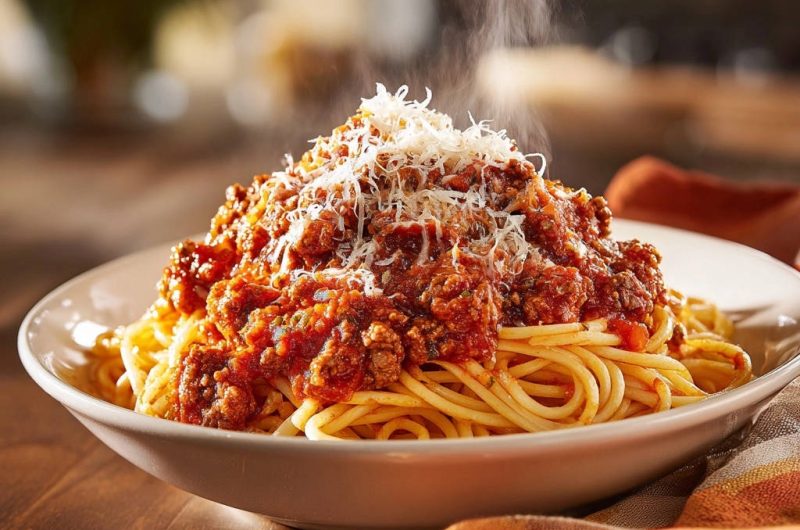
minutesDiscover the simple trick to making your meat sauce truly cling to every strand of spaghetti. This recipe guarantees a perfectly coated and flavorful bite every time, transforming a common dilemma into a delightful dinner experience. Enjoy rich, savory flavors with a satisfying texture.
Ingredients
1 pound spaghetti
1 tablespoon olive oil
1 pound lean ground beef
1 medium onion, finely chopped
3 cloves garlic, minced
1 (28 ounce) can crushed tomatoes
1/2 cup water or beef broth
1 teaspoon dried oregano
1/2 teaspoon dried basil
Salt and freshly ground black pepper to taste
Freshly grated Parmesan cheese, for serving
1/2 cup reserved pasta cooking water (essential for clinging sauce)
Directions
- Bring a large pot of salted water to a rolling boil. Add the spaghetti and cook according to package directions until al dente. This means it should be firm to the bite, not mushy. Before draining, reserve at least 1/2 cup of the starchy pasta cooking water. Drain the spaghetti and set aside.
- While the pasta cooks, heat the olive oil in a large skillet or Dutch oven over medium heat. Add the ground beef and cook, breaking it apart with a spoon, until it’s browned all over. Drain off any excess fat. Cook until no pink remains and it reaches 160°F (71°C).
- Add the chopped onion to the skillet with the cooked beef and cook until softened, about 5-7 minutes. Stir in the minced garlic and cook for another minute until fragrant, being careful not to burn it.
- Pour in the crushed tomatoes, water or beef broth, oregano, and basil. Stir well. Bring the sauce to a gentle simmer, then reduce the heat to low, cover, and let it cook for at least 20 minutes to allow the flavors to meld. Season with salt and pepper to taste.
- This is the sauce-cling secret! Once the sauce has simmered, add about 1/4 cup of the reserved pasta cooking water to the meat sauce. The starch in the pasta water will help the sauce thicken slightly and create an emulsion that binds it to the pasta.
- Add the drained spaghetti directly into the skillet with the meat sauce. Toss vigorously for 1-2 minutes, making sure every strand is thoroughly coated in the sauce. If the sauce seems too thick, add a little more reserved pasta water, one tablespoon at a time, until you reach your desired consistency and the sauce lovingly clings to the noodles.
- Serve immediately, topped with plenty of freshly grated Parmesan cheese.
Notes
- The key to clinging sauce is using reserved pasta cooking water to emulsify the sauce.