Mastering Creamy Garlic Mashed Potatoes and Gravy
Most of us have experienced the heartbreak of a holiday side dish gone wrong. You spend an hour peeling and boiling, only to end up with a sticky, gluey paste that resembles wallpaper starch more than food. It’s frustrating because the perfect mash feels like it should be simple, yet it remains one of the most difficult textures to master in the kitchen.
If you love rich, buttery sides, this brown sugar pecan sweet potato casserole offers a similar comforting warmth with a crunchy twist.
The secret to achieving that legendary velvety mouthfeel isn’t just about how much butter you can throw into the pot. It actually comes down to a technical understanding of starch management and moisture control. By treating the potato with a bit of scientific respect, you can transform a humble root vegetable into a skyscraper of flavor.
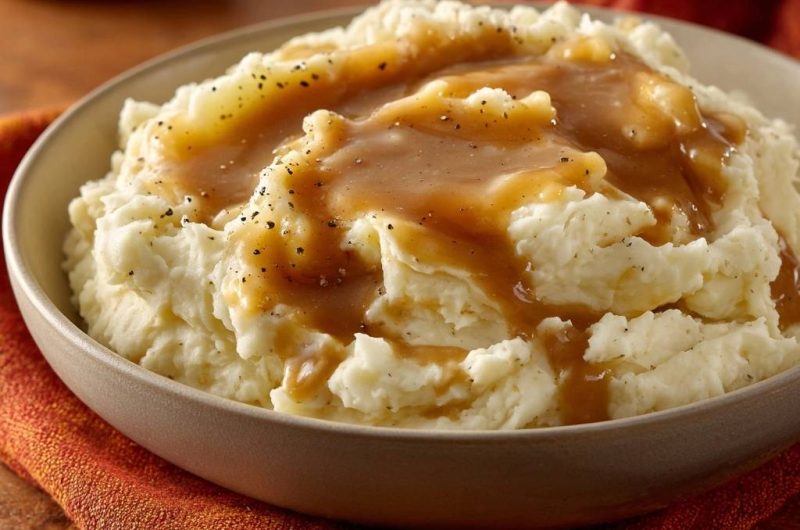
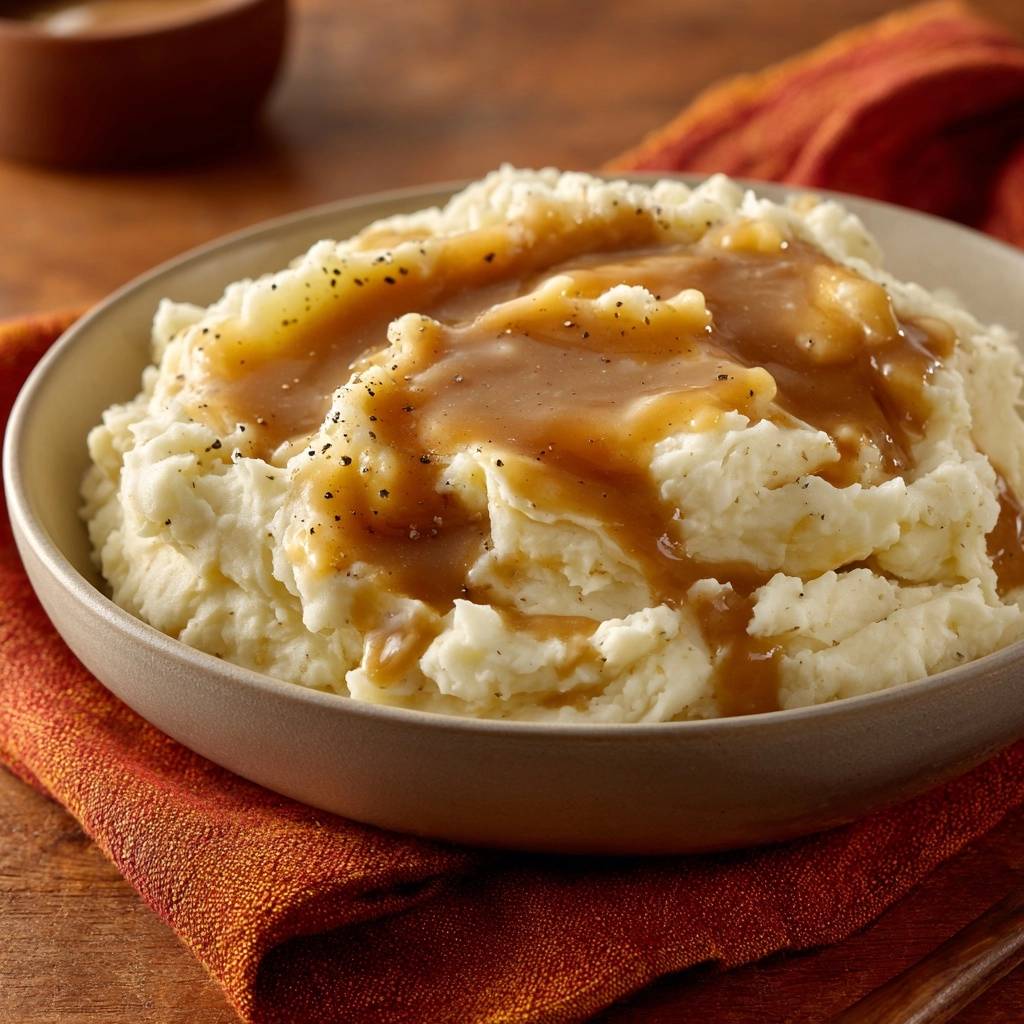
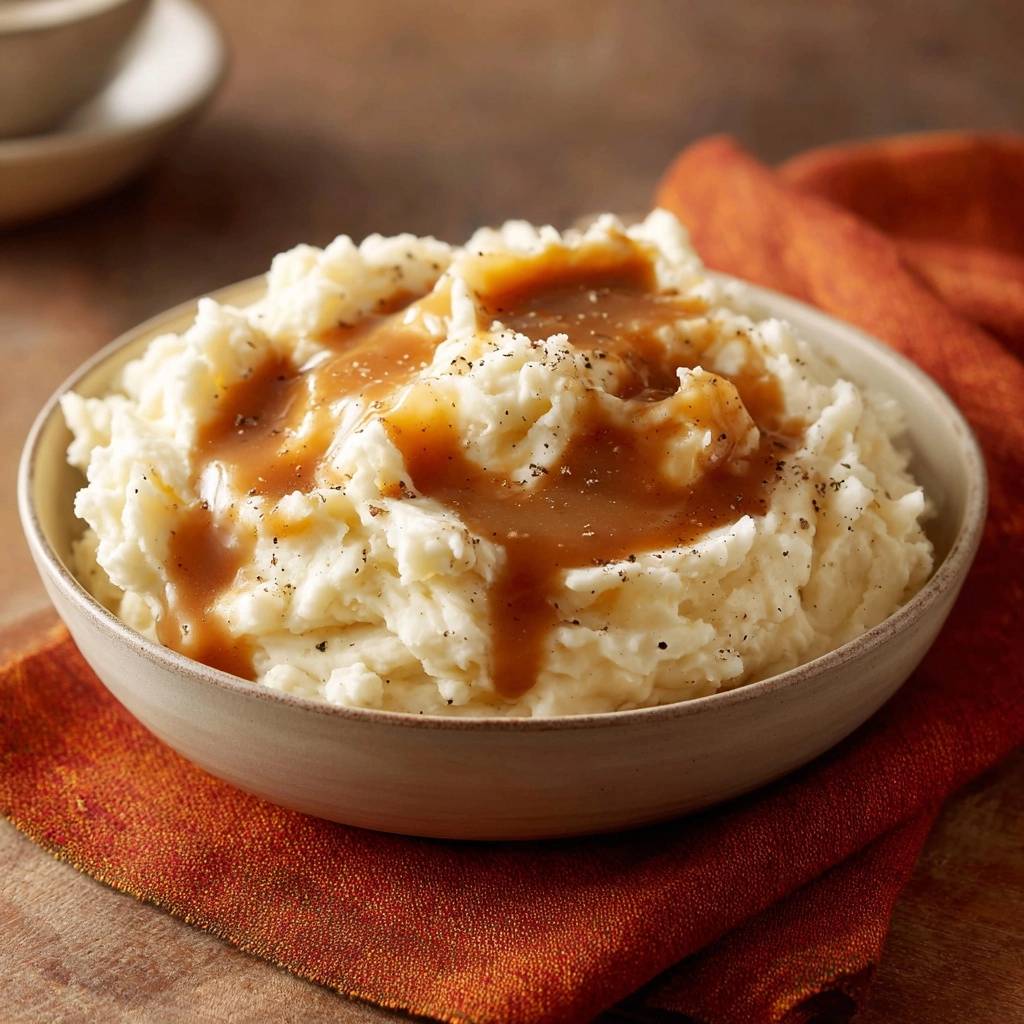
This guide focuses on a specific rinsing and drying method that guarantees a light, fluffy result every single time. When you pair these airy potatoes with a rich, umami-heavy beef gravy and the mellow hum of boiled garlic, you create a dish that doesn’t just sit on the plate—it steals the entire show. Oh man, the way the gravy pools in those buttery swirls is enough to make anyone’s mouth water!
The Science of Starch and Potato Selection
Choosing the right potato is the first step toward success, and for this recipe, Yukon Golds are the non-negotiable gold standard. While Russets are great for baking because they are high in amylose starch, they can sometimes turn grainy or fall apart too easily in a mash. Yukon Golds sit in that perfect middle ground between starchy and waxy.
These yellow-fleshed beauties contain a higher ratio of amylopectin, which provides a naturally creamy, almost buttery texture before you even add the dairy. They hold their shape well during the boiling process but break down into a smooth, dense silkiness when mashed. This waxiness ensures the potatoes feel substantial on the tongue without becoming a watery mess.
If you use red potatoes, you’ll likely find the texture too firm and waxy for a traditional mash. If you use only Russets, you risk a mealy finish. By sticking with Yukon Golds, you’re starting with a foundation that is genetically predisposed to being velvety. It’s the easiest way to set yourself up for a win before you even turn on the stove.
Essential Components for the Perfect Mash
Every ingredient in this recipe serves a specific structural or flavor-based purpose. We use unsalted butter because it gives you total control over the seasoning. Since different brands of broth and butter have varying salt levels, starting with a blank slate ensures your final dish isn’t an accidental salt bomb.
Heavy cream is another essential player that beats out standard milk every time. The high fat content in heavy cream helps emulsify the potato starch, creating a stable, rich liquid that won’t separate. It provides a luxurious mouthfeel that lower-fat alternatives simply cannot replicate.
Then there’s the garlic. By smashing the cloves and boiling them directly with the potatoes, you mellow out the harsh, pungent bite of raw garlic. The cloves soften beautifully in the water, infusing the potatoes with a subtle, sweet aromatic quality. When you mash them together, the garlic disappears into the potatoes, leaving only its savory essence behind.
If you love those rich, garlicky potatoes, these soft buttery garlic herb dinner rolls are the perfect companion for sopping up every last bit.
Why Temperature Matters for Dairy
One of the biggest mistakes home cooks make is pouring cold milk or butter straight from the fridge into hot potatoes. This causes a thermal shock that can make the starches seize up, leading to a grainy or oily texture. Always melt your butter and warm your cream in a small saucepan or the microwave before mixing.
Warming the dairy ensures that the fats bond smoothly with the potato starch molecules. When the temperatures are aligned, the potatoes absorb the liquid much more efficiently. This results in a cohesive, glossy finish rather than a bowl of potatoes with a layer of oil sitting on top.
Eliminating Gummy Texture with Surface Rinsing
This is the “Secret Sauce” step that most people skip, but it is the most important part of the process. When you dice a potato, you rupture thousands of tiny starch cells on the surface. If those starches stay on the potato during the boil, they cook into a sticky film that creates that dreaded gummy, “gluey” texture.
To fix this, place your cubed potatoes in a bowl and rinse them under cold running water for at least two minutes. You want to toss them by hand until the water runs crystal clear. You are literally washing away the excess starch that would otherwise ruin your dinner.
At a microscopic level, you are ensuring that only the starch inside the potato cells remains. This allows the potatoes to stay distinct and fluffy once they are cooked. It is the single biggest difference between a professional, restaurant-quality mash and a sticky homemade disaster. Don’t skip the rinse!
The Critical Steam-Drying Technique
After boiling, most people just drain the potatoes and start mashing immediately. However, residual moisture is the enemy of flavor. If the potato cells are still full of water from the boiling process, they won’t have any room to soak up the butter and cream you’re about to add.
Once you drain the potatoes, return them to the hot pot over low heat for about 60 to 90 seconds. Shake the pan constantly to prevent sticking. You’ll see steam rising rapidly—this is the excess water evaporating away. You’ll know they are ready when a slight white, floury film starts to form on the bottom of the pot.
This “steam-drying” step creates a thirsty potato. By removing the water, you’re making space for the fats to penetrate deep into the vegetable. This results in a much more intense flavor and a texture that stays light rather than becoming heavy and sodden.
Step-by-Step: Achieving the Velvety Texture
Always start your potatoes in a pot of cold, salted water. If you drop them into boiling water, the outsides will overcook and turn mushy before the centers are even soft. Starting cold ensures the entire cube heats up at the same rate, leading to a perfectly even cook.
Boil them until they are very tender. You should be able to pierce a cube with a fork and have it slide off effortlessly with zero resistance. If there is any “snap” left in the potato, your mash will be lumpy. Once they are tender, drained, and steam-dried, it’s time to move to the mashing phase.
Gently fold in your melted butter first. This is a pro move—coating the starch granules in fat before adding the liquid cream helps prevent the starch from over-hydrating. This keeps the texture silky. Slowly stir in the warm cream until you reach that thick, cloud-like consistency that holds its shape on a spoon.
Manual Tools vs. Mechanical Blades
Under no circumstances should you ever use a food processor, blender, or hand mixer for mashed potatoes. These high-speed blades are too aggressive; they tear the starch molecules apart and release a massive amount of “glue” into the bowl. You will end up with a bowl of edible paste every single time.
For the best results, use a potato ricer or a food mill. A ricer forces the potato through tiny holes, creating the lightest, most aerated texture possible. If you prefer a more rustic, chunky style, a standard hand masher works perfectly. Just remember: the less you handle the potatoes, the fluffier they will be.
Building a Rich Beef Gravy from Scratch
A great gravy starts with a proper roux. Melt your butter and whisk in the flour, cooking it for about two minutes. You aren’t just looking to combine them; you’re looking for a specific “nutty” aroma. This indicates the raw flour taste is gone and the base is ready to thicken your sauce.
When adding the beef broth, do it slowly. Pour in a splash, whisk until it’s a thick paste, and then add more. This “tempering” technique prevents lumps from forming. If you dump all the liquid in at once, the roux will break into tiny clumps that are nearly impossible to whisk out later.
The addition of Worcestershire sauce is the secret weapon here. It adds a deep, savory umami punch that cuts through the richness of the butter. Simmer the gravy until it’s thick enough to coat the back of a spoon. It should be glossy, dark, and smooth—the perfect companion for those garlic-infused potatoes.
Troubleshooting Common Potato Pitfalls
If you find your potatoes are too salty, don’t panic. You can fold in a bit more warm cream or even a small amount of unseasoned mashed potatoes to balance it out. If the gravy is too thin, let it simmer for a few more minutes to reduce. If it’s too thick, simply whisk in a tablespoon of broth at a time until it reaches your desired consistency.
Sometimes potatoes cool down too quickly while you are mashing them. If this happens, you can place the pot back over very low heat while you incorporate the dairy. Just be careful not to “cook” them further, as this can cause the bottom to scorch. Constant stirring is your friend here to keep the heat even.
If you notice the texture starting to get a bit heavy, stop mixing immediately. Over-mixing is the second most common cause of gumminess after failing to rinse. It’s better to have a few tiny lumps in a fluffy mash than a perfectly smooth bowl of sticky glue.
Pairing Suggestions for Garlic Mashed Potatoes
These potatoes are incredibly rich and garlic-forward, so they pair beautifully with hearty roasted meats. Think of a juicy pot roast, braised short ribs, or a classic roasted chicken. The savory beef gravy acts as a bridge between the meat and the side dish, tying the whole plate together.
What’s Next?
These creamy garlic mashed potatoes and gravy pair naturally with a protein that soaks up all that sauce. For a lighter option or a heartier meal, here are two dishes that fit right in.
- Try the Pan-Seared White Fish and Roasted Potatoes for a clean, mild contrast to the rich mashed potatoes — the fish’s crisp skin and the roasted potatoes add texture without competing.
- For a more substantial combo, the Slow-Simmered Beef and
Because the dish is quite high in fat, the garnish of cracked black pepper is actually very important. The sharp, spicy bite of the pepper acts as a palate cleanser. It cuts through the creaminess of the potatoes and the saltiness of the gravy, making every bite feel as fresh as the first one.
You can also serve these alongside roasted root vegetables like carrots or parsnips. The sweetness of the roasted veggies provides a lovely contrast to the mellow, savory garlic in the mash. It’s a comfort food combination that never fails to satisfy a hungry crowd.
Expert Tips for Advanced Flavor Profiles
If you want to take things even further, try infusing your heavy cream. While you warm it up, add a sprig of fresh rosemary or thyme, then strain it before adding the cream to the potatoes. This adds a sophisticated herbal note that smells absolutely incredible as it hits the table.
Another pro tip is the “Butter First” rule. By coating the potato starch in melted butter before adding any other liquids, you create a waterproof barrier around the starch. This is the ultimate insurance policy against a gummy texture. It ensures the potatoes stay velvety and distinct.
Finally, always use high-quality sea salt rather than standard table salt. Sea salt has a cleaner flavor profile that enhances the natural earthiness of the Yukon Golds. When it comes to leftovers, store them in an airtight container. To reheat, add a splash of milk and heat them slowly on the stove to bring back that original creamy texture.
How should I store and reheat leftovers?
Store your mashed potatoes in an airtight container in the refrigerator for up to 3 to 4 days. When you’re ready to eat them again, avoid the microwave if possible, as it can make them oily. Instead, place them in a saucepan over low heat and add a splash of milk or a pat of butter. Stir gently as they warm up to restore their creamy consistency. I don’t recommend freezing these potatoes because the dairy can separate and the texture often becomes grainy once thawed.
Why did my potatoes turn out sticky or gluey?
Sticky potatoes are usually caused by two things: excess surface starch or over-working the potatoes. If you didn’t rinse the cubed potatoes until the water ran clear, that surface starch cooked into a paste. Additionally, if you used a blender or food processor, the high-speed blades ruptured the starch cells and turned them into glue. Stick to manual mashing and always rinse your potatoes thoroughly to prevent this from happening.
Can I use a different type of potato if I can’t find Yukon Golds?
If Yukon Golds aren’t available, the best substitute is a large Russet potato. However, keep in mind that Russets are fluffier and more absorbent, so you might need a little extra cream to keep them from being dry. Avoid using red potatoes or new potatoes for this specific recipe, as their waxy nature makes them better for potato salad rather than a smooth, creamy mash.
How do I fix gravy that has lumps in it?
Lumps usually happen when the broth is added too quickly to the roux. If you find yourself with lumpy gravy, don’t worry! Simply pour the gravy through a fine-mesh strainer into a clean bowl. The strainer will catch the flour clumps, leaving you with a perfectly smooth sauce. You can then return the smooth gravy to the pan to finish thickening. Next time, try whisking more vigorously while adding the liquid in very small increments at the start.
Can I make these potatoes ahead of time for a party?
Yes, you can make these up to two hours in advance. Keep them warm by placing the mashed potatoes in a heat-safe bowl, covering it tightly with foil, and setting the bowl over a pot of barely simmering water (a double boiler setup). This keeps them at a safe temperature without scorching the bottom or drying them out. Give them a quick, gentle stir right before serving to redistribute the moisture.
What can I use instead of beef broth for the gravy?
If you don’t have beef broth on hand, chicken broth is an excellent substitute. It will result in a lighter-colored gravy with a slightly different flavor profile, but it will still be delicious. For a deeper flavor when using chicken broth, you can add a teaspoon of soy sauce or a bit more Worcestershire sauce to mimic the dark, savory notes of beef. Avoid using just water, as the gravy will lack the necessary depth to complement the garlic potatoes.
Mashed Potatoes
Course: Side DishCuisine: AmericanDifficulty: easyYields6
servingsPrep Time15
minutesCook Time25
minutesCalories650
kcalTotal Time40
MinutesA foolproof recipe for light, fluffy, and velvety Yukon Gold mashed potatoes featuring smashed garlic, heavy cream, and a savory beef broth gravy.
Ingredients
3 pounds Yukon Gold potatoes, peeled and cubed
4 cloves garlic, smashed
1/2 cup unsalted butter, melted
1 cup heavy cream, warmed
2 teaspoons sea salt
1 1/2 teaspoons coarse cracked black pepper (plus extra for garnish)
2 cups beef broth
3 tablespoons all-purpose flour
3 tablespoons butter (for gravy)
1/2 teaspoon Worcestershire sauce
Directions
- Place cubed potatoes in a large bowl and rinse under cold running water for 2 minutes, tossing by hand, until the water runs completely clear. This removes excess surface starch which is the primary cause of gummy potatoes.
- Place rinsed potatoes and smashed garlic in a large pot and cover with cold water by at least an inch. Add 1 teaspoon of salt. Bring to a boil, then reduce heat and simmer for 15 to 20 minutes until the potatoes are very tender and easily pierced with a fork.
- Drain the potatoes and garlic thoroughly in a colander. Return them to the hot pot over low heat for 60-90 seconds, shaking the pan constantly. This “steam drying” step evaporates remaining moisture so the potatoes can absorb the fats without becoming watery.
- For the visual texture shown in the image, use a hand masher or a potato ricer. Do not use a food processor or blender, as high-speed blades tear starch molecules and create a sticky paste.
- Gently fold in the melted butter first to coat the starch granules. Slowly stir in the warm heavy cream until reaching a thick, velvety consistency. Season with the remaining salt and 1/2 teaspoon of cracked black pepper.
- For the gravy: Melt 3 tablespoons of butter in a small saucepan over medium heat. Whisk in the flour and cook for 2 minutes until it smells slightly nutty. Slowly pour in the beef broth and Worcestershire sauce while whisking constantly to prevent lumps. Simmer for 3-5 minutes until thickened to a rich coating consistency.
- Transfer potatoes to a serving bowl. Use a spoon to create deep swirls and wells. Pour the warm gravy generously into the center and over the ridges. Garnish with a heavy dusting of coarse cracked black pepper to match the visual finish.
Notes
- To avoid a gummy texture, rinse the cubed potatoes until the water runs clear and use a hand masher or ricer instead of a blender or food processor.